Observe
Learn to notice proportion, direction and the quiet relationships that make an image hold together.

Studio noticeboard
Learn to notice proportion, direction and the quiet relationships that make an image hold together.
Use line, tone and simple tools to turn what you see into a considered drawing.
Share work in small critiques that give you a clear next experiment, not a vague verdict.
Our tutors set short projects with a visible purpose. You can arrive as a beginner, return after a long pause, or build a portfolio with more confidence in your decisions.
Inside the studio
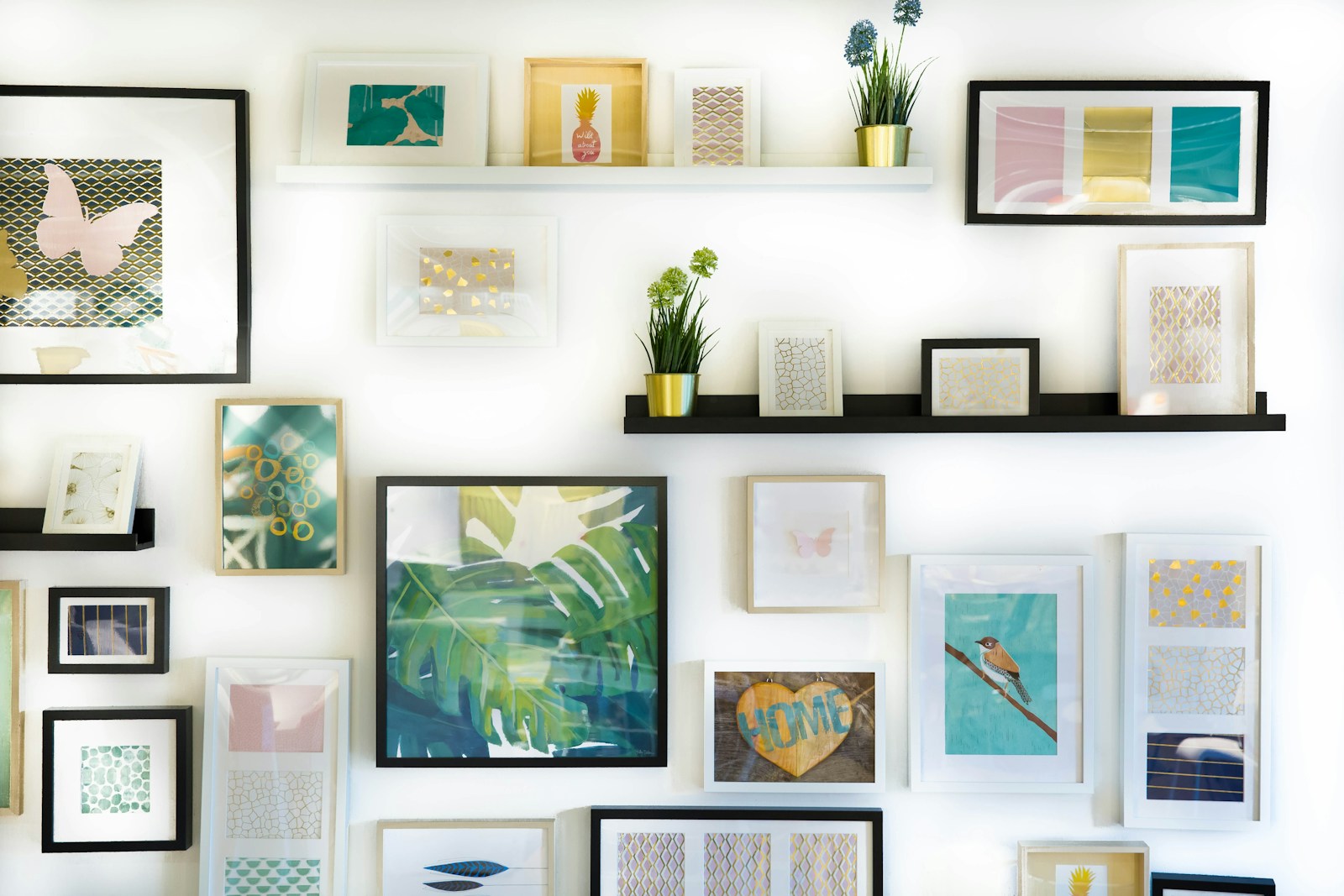
Bring a sketchbook. We supply the first materials and help you choose what is worth keeping in your own kit.
Critique, without performance
Group critique is a practical part of the studio. We start with what is visible: the line, the scale, the point of attention and the material choices. From there, you can decide what to try next without losing the work that is already there.
How critique sessions workOpen studio hours
Enrolled learners may use selected open-studio sessions to continue a project, prepare a portfolio piece or ask for brief guidance. It is a quiet working space, not an additional lecture.
Check studio hours